You need a part for your mower, chainsaw or trimmer, and you've found two options: a genuine part from the manufacturer, and a cheaper aftermarket copy that claims to fit. The price difference can be significant, and it's tempting to save the money. So is the genuine part worth it, or is the copy just as good?
The honest answer is that it depends on the part, but for most of the components people actually replace, genuine is the better buy over the life of the machine. This guide explains the real differences, where they matter most, and where a quality non-genuine part is a perfectly sensible choice. We stock genuine OEM parts, so we have a view on this, but the aim here is to help you spend your money well rather than to tell you everything expensive is worth it.
What "genuine OEM" actually means
OEM stands for Original Equipment Manufacturer. A genuine OEM part is one made or specified by the company that built your machine, to the exact specification the machine was designed around. When you buy a genuine Stihl chain or a genuine Mountfield blade, you're getting the same part the manufacturer fitted at the factory or supplies to its own dealers.
"Aftermarket" covers everything else: parts made by third-party companies to fit your machine without being the manufacturer's own. Aftermarket is a broad category. At the top end, some aftermarket makers produce genuinely good components, and in a few areas (chains and bars are a good example) there are specialist brands that the manufacturers themselves buy from. At the bottom end, there are cheap copies stamped out to a price, and those are where the trouble starts.
The word to watch is "compatible" or "will fit." It tells you the part is meant to go on your machine. It tells you nothing about whether it's made to the same standard.
Where genuine parts matter most
These are the areas where the difference between genuine and a cheap copy is real, and occasionally a safety issue.
Cutting parts: blades, chains and bars
This is the category where getting it wrong matters most, because these parts move fast and cut hard.
A genuine mower blade is balanced, made from the right grade of steel, and shaped to the exact profile the deck was designed for. A cheap copy that's slightly out of balance vibrates, and that vibration works through the spindle bearings and the deck over time, causing wear well beyond the blade itself. A blade made from softer steel goes blunt faster and can bend or chip on impact rather than taking the knock cleanly.
On chainsaws, chain quality is a genuine safety matter. A poorly made chain can stretch unevenly, sit badly on the sprocket, or in the worst case break under load. Chain and bar is one area where reputable specialist brands (the sort the manufacturers themselves work with) are widely trusted, so it's less about "genuine vs everything else" and more about buying a known-quality chain rather than the cheapest unbranded loop you can find.
Engine internals and fuel-system parts
Pistons, cylinders, carburettors, diaphragms, gaskets and seals all have to meet close tolerances to work properly. An aftermarket carburettor kit with diaphragms made from the wrong material can swell, harden or perish quickly, especially with modern ethanol-blended fuel, and you're back where you started within a season. Genuine gaskets and seals are cut to fit exactly, which matters on a component that has to hold compression or keep fuel and air in the right balance.
Drive and transmission parts
Belts, pulleys, cables and transmission components take real load. A genuine belt is made to the right length, width and construction for the drive it runs on. An aftermarket belt that's slightly off will slip, squeal, stretch or wear out early, and a belt that fails mid-job takes the machine out of action until it's replaced.
Where a good non-genuine part is a sensible choice
Being straight about it: not everything needs to be genuine, and we'd rather you spent sensibly than assumed the expensive option is always right.
Consumables and simple parts are where quality aftermarket makes good sense. Air filters, fuel filters, spark plugs and trimmer line are made to widely recognised standards, and a quality-brand equivalent is often exactly the same specification as the genuine part (sometimes made in the same factory). A spark plug is a good example: the genuine part and the named-brand equivalent are frequently the identical plug with a different part number on the box.
The distinction that matters isn't really "genuine vs aftermarket." It's "made to the right standard vs made down to a price." A quality-brand air filter is fine. An unbranded copy of unknown origin is a gamble on a part that protects your engine.
The false economy trap
The reason genuine parts usually work out cheaper in the long run comes down to three things.
First, fit. A part made to the exact original specification goes on cleanly and works first time. A copy that's slightly off can mean a fiddly fit, poor performance, or a part that doesn't last.
Second, knock-on wear. This is the one people miss. An unbalanced blade wears the spindle bearings. A badly made chain wears the sprocket and bar. A wrong-spec belt wears the pulleys. The cheap part doesn't just fail sooner, it can damage the more expensive parts around it while it's failing.
Third, replacement frequency. A part that lasts half as long has to be bought twice as often, so the saving on the sticker price disappears, and you've done the job twice.
On a machine you're keeping for another decade, spending a little more on the parts it was designed around is usually the cheaper path, not the dearer one.
How to be sure you're getting the right genuine part
The whole argument for genuine parts falls apart if you order the wrong one, so identification matters as much as quality.
Every machine has an ID plate or sticker with the model, serial number and (depending on the make) a product or article number. Those details are what pin down the exact part for your specific machine. If you're not sure where to find them, the guide on finding parts for your garden machinery walks through it, and the individual brand guides in the Help and Advice library cover the specifics for Stihl, Husqvarna, Stiga and more.
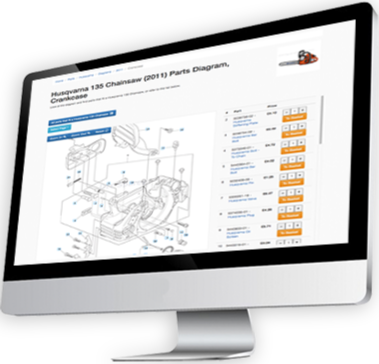
The three ways to find the right part on the site are the interactive parts diagrams (which show genuine part numbers for your exact model), the brand pages, and the category listings. And if you can't find it or you're unsure, the free identification service is there: click Contact Us at the bottom of any page, send a photo of your machine's ID plate and a description of the part, and the team will identify the correct genuine part for you at no charge.
Common questions about genuine and aftermarket parts
Are aftermarket parts always worse than genuine?
No. Quality aftermarket parts from recognised brands are often made to the same standard as genuine, and in some categories (like chains and bars) the specialist makers are exactly who the manufacturers work with. The real divide is between parts made to the correct standard and cheap copies made down to a price. It's the unbranded, unknown-origin copies that are the gamble, not aftermarket as a whole.
Why is the genuine part more expensive?
You're paying for manufacture to the exact original specification, the right materials, and quality control. On the parts that matter (cutting parts, engine internals, drive components) that specification is what makes the part fit properly, last longer, and avoid wearing out the parts around it. On simple consumables the price gap is often small or nil once you compare like-for-like quality.
Will a non-genuine part void anything or damage my machine?
A quality part fitted correctly won't damage your machine. The risk comes from poorly made copies that are out of balance, out of tolerance or made from the wrong materials, which can wear the surrounding components over time. If a machine is still under manufacturer warranty, it's worth checking the warranty terms, as some require genuine parts for certain repairs.
Which parts should I always buy genuine?
Prioritise genuine (or top-quality specialist brands) for anything that moves fast, carries load or has to seal: blades, chains and bars, drive belts, and engine and carburettor internals. For consumables like filters, plugs and trimmer line, a quality-brand equivalent is usually fine.
How do I make sure the genuine part fits my machine?
Order against your machine's model and serial or product number, using the interactive diagrams for your exact model. If you're unsure, send the team a photo of your ID plate through Contact Us and they'll confirm the correct part before you buy.
The short version: buy on quality and correct specification, not just on the badge or the price. For the parts that move fast, carry load or have to seal, genuine (or a trusted specialist brand) earns its cost by fitting right, lasting longer and protecting the parts around it. For simple consumables, a quality equivalent is fine. And whichever you choose, getting the identification right is what makes sure the part actually fits, so if there's any doubt, the Contact Us button is at the bottom of every page and the team will confirm it for you.